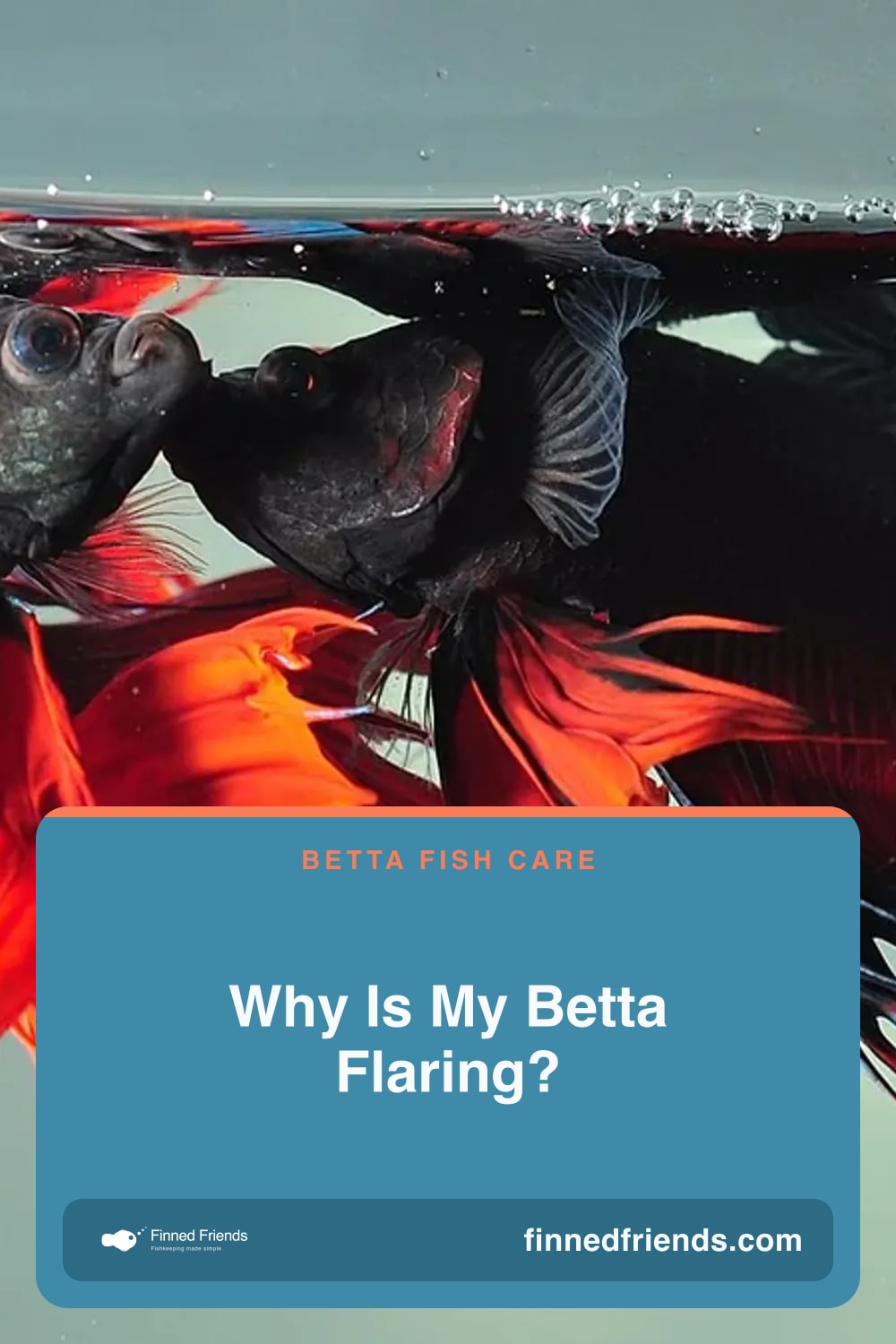
If you’ve just watched your betta puff up, spread every fin, and stare down the glass, it can look alarming — like the fish is furious or in distress. Most of the time it isn’t a problem at all. But because flaring is genuinely stressful for the fish when it happens nonstop, it’s worth knowing exactly what’s normal and what’s a red flag. Let’s break it down.
In this guide
- 01 Quick Answer: Is Flaring Bad for My Betta?
- 02 What Flaring Actually Is
- 03 Why Is My Betta Flaring? The Full List of Triggers
- 04 Healthy Flaring vs. Harmful Flaring
- 05 The Mirror Question: Good Exercise or Bad Idea?
- 06 How to Reduce Unwanted Flaring
- 07 When It’s More Than Just Flaring
- 08 FAQ
- 09 Sources & Further Reading
Quick Answer: Is Flaring Bad for My Betta?
No — not in small doses. Occasional flaring is completely normal and harmless, and a brief flare now and then even works the betta’s muscles a little, like a stretch. Bettas are highly territorial fish, and flaring is simply how they tell a rival to back off.
It only becomes a problem when it’s constant. A betta that flares for hours every day — usually at its own reflection — is living in a state of low-grade stress it can never resolve, because the “rival” never leaves. Over time that can fade its color, cause clamped fins, and leave it exhausted and more prone to illness. So the rule of thumb is simple: an occasional flare is fine; all-day flaring means it’s time to find the trigger and remove it.
What Flaring Actually Is
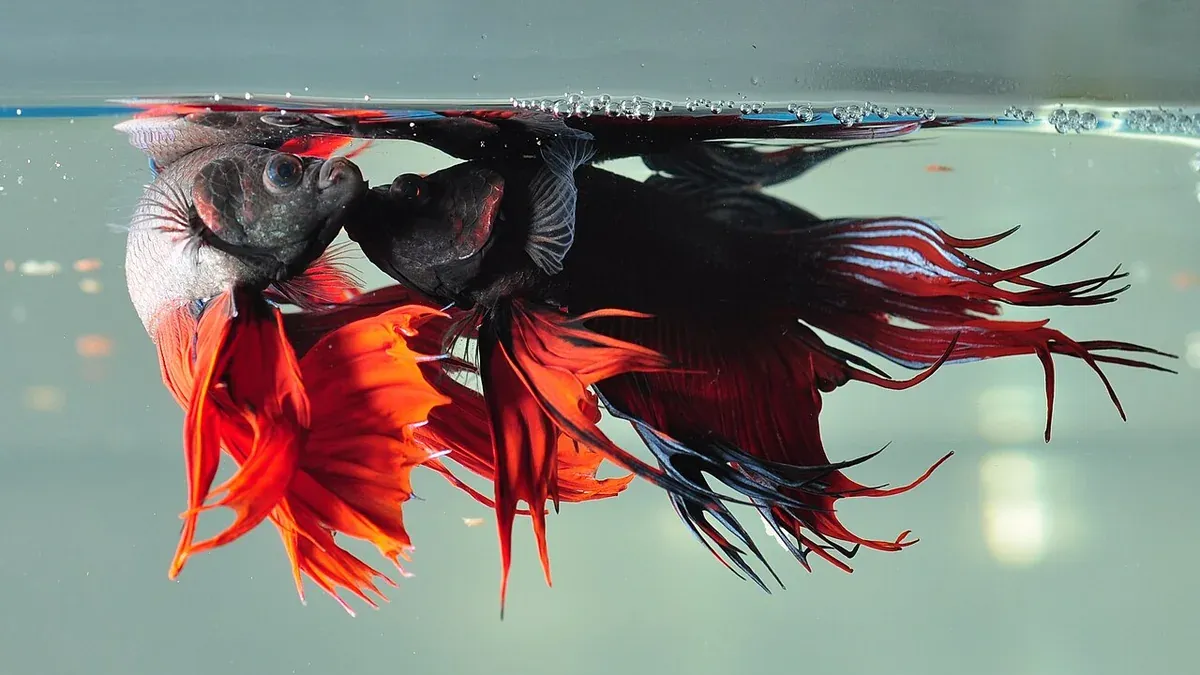
“Flaring” describes a specific display, not just any movement. When a betta flares, it does two things at once:
- It spreads its gill plates (the operculum). The flaps on each side of the head — called the operculum — swing outward, and the thin red gill membrane underneath fans out below the chin. This is the most dramatic part of the display and makes the head look much bigger.
- It spreads its fins. Every fin extends to full size, the body often turns broadside to the “opponent,” and the colors look their boldest.
Together, this makes the betta look as large and threatening as possible. It’s a bluff — a way of winning a confrontation without fighting. In the wild, this saves both fish from injury: if one display is intimidating enough, the smaller fish backs off and no one gets hurt. So flaring isn’t your betta “being aggressive” in a broken or unhealthy way. It’s a normal, hardwired behavior doing exactly what it evolved to do.
Why Is My Betta Flaring? The Full List of Triggers
A betta flares in response to something it perceives as a rival, a threat, or a mate. Here are the triggers, from most common to least:
1. Another male betta. This is the original, “textbook” trigger. Male bettas are intensely territorial and will flare at any other male in sight — which is exactly why two males can never share a tank. If your betta can see another male (even in a neighboring tank), expect flaring.
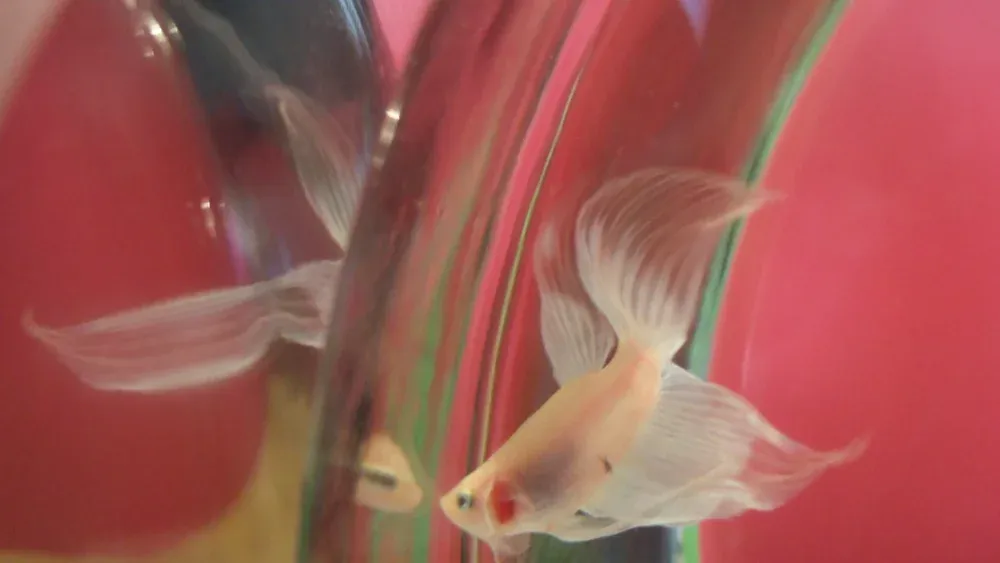
2. Its own reflection. This is the single most common cause for a betta living alone, and the one that confuses owners most. Your betta cannot tell that the fish in the glass is itself — it reads the reflection as a rival male and flares to drive it off. Reflections appear most when the tank light is brighter than the room, turning the inside of the glass into a mirror.
3. A mirror you hold up. Same mechanism, on purpose. Many owners hold a small mirror to the tank for a minute as “exercise” — more on whether that’s a good idea below.
4. A female betta. When a male sees a female, flaring can be courtship, not aggression. He’s showing off. This is normal and expected during controlled breeding introductions. (Not sure which you’ve got? See our guide to telling a male vs. female betta.)
5. A new fish or tank mate. A new addition to a community tank often gets flared at while your betta decides whether it’s a threat to his territory. Usually this settles, but watch closely.
6. A new object, plant, or decoration. Bettas notice changes. Add a new ornament and your betta may flare at it for a day or two while it investigates the unfamiliar shape, then lose interest.
7. You — or anything new near the tank. A hand, a bright shirt, a phone held up to the glass: a betta may flare at any large unknown shape. Often this is curiosity or even excitement (some bettas flare at feeding time) rather than a real threat.
Causes at a Glance
Here’s the same information as a quick-reference table — what each trigger means, and whether you need to step in.
Healthy Flaring vs. Harmful Flaring
This is the part most “reasons your betta flares” articles skip — and it’s the part that actually matters for your fish’s wellbeing. The same behavior can be harmless or harmful depending entirely on how often it happens.
Healthy flaring is occasional and short. A few flares a day — at you, at a new plant, at a reflection that comes and goes — is normal and nothing to fix. Brief flaring even gives the betta a small physical workout, which is why “betta exercise” is a real, if minor, thing. A betta that flares now and then and otherwise swims, eats, and shows good color is a healthy, behaviorally normal fish.
Harmful flaring is constant. When a betta flares for long stretches every day — most often at its own reflection — it’s stuck in a fight-or-flight state it can never win, because the “rival” is permanent. Flaring takes energy, and sustained flaring keeps the betta’s stress response switched on. Over time, signs of that chronic stress can include:
- Faded or washed-out color — the bold flare-time colors give way to a dull, drained look.
- Clamped fins — fins held tight against the body instead of spread, the opposite of a confident posture.
- Exhaustion and lethargy — the fish tires from the constant effort.
- Weakened resistance to illness — ongoing stress is hard on any fish, leaving it more vulnerable to disease.
If you’re seeing those signs, treat the flaring as a symptom and fix the cause. Persistent stress in a betta almost always traces back to something in the environment — a never-ending reflection, an unsuitable tank mate, or husbandry problems like cold or dirty water. Our guide on telling whether your betta is happy or stressed walks through the full stress checklist.
The Mirror Question: Good Exercise or Bad Idea?
Holding a mirror to the tank is popular betta advice, and it isn’t wrong — but the dose makes the difference.
A brief, controlled mirror session can be fine. A minute or two of flaring, once or twice a week, gives the betta a bit of stimulation and exercise with no lasting harm. Think of it as a short burst, not a routine the fish is forced into.
What you should never do is leave a mirror propped against the tank, or place one inside it. A permanent mirror turns every waking hour into a confrontation with a rival that never leaves — exactly the chronic-stress scenario above. The betta can’t win, can’t make the rival go away, and slowly wears itself down. The same caution applies to a reflective tank: if your betta’s own reflection is acting like a 24/7 mirror, that’s a problem to fix, not exercise.
The honest take: your betta does not need mirror exercise to be healthy. A well-set-up tank with plants to explore and clean, warm water does far more for it. If you use a mirror at all, keep it brief and occasional — and put it away.
How to Reduce Unwanted Flaring
If your betta flares constantly and it’s clearly its own reflection (a fish flaring at a fixed spot on the glass, broadside, for long stretches), here’s how to calm things down:
- 1 Dim or reposition the tank light
Reflections appear when the tank is brighter than the room. A dimmer light, or one that’s off more of the day, often solves it on its own. Adding gentle room lighting so the tank isn’t the brightest thing around helps too.
- 2 Add a background to the back and sides
A tank background — or even dark paper taped to the outside — cuts the mirror effect. Light-colored or scenic backgrounds tend to show reflections less than bare dark glass.
- 3 Break up sightlines with plants
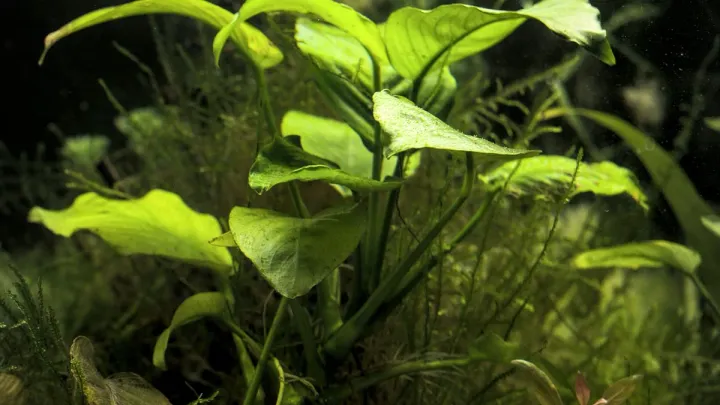
Tall live or silk plants placed along the sides and back give your betta something to weave through instead of a clear view of its “rival.” Java fern is an easy, affordable option.
- 4 Add hiding spots
A cave, a ceramic pot, or driftwood gives a stressed betta somewhere to retreat and reset.
- 5 Give a new setup a few days
If you just moved your betta to a new tank, a couple of days of flaring at the unfamiliar surroundings is normal. Many bettas stop on their own once they’ve settled in.
- 6 Reconsider tank mates
If a specific fish triggers nonstop flaring, that pairing may not work — check our guide to safe betta tank mates before adding anyone new.
And don’t overlook the basics. A betta that’s stressed for husbandry reasons — cold, dirty, or unstable water — can be edgier and quicker to flare. Stable, warm, clean water (a cycled tank at 78–80°F, with ammonia and nitrite at 0) is the foundation under all of this; our complete betta care guide covers it from scratch.
When It’s More Than Just Flaring
Flaring itself is a behavior, not an illness, and Finned Friends’s lane is husbandry and behavior — not diagnosis. But chronic flaring and chronic stress can open the door to health problems. If your betta’s flaring comes alongside signs of sickness — persistent clamped fins, faded color that doesn’t recover, white spots, a swollen belly, scales sticking out like a pinecone, ulcers, or labored breathing — then you’re past a behavior question and into a possible health issue.
When in doubt, see a vet
Fix the husbandry first — water quality, temperature, and removing the stress trigger solve a surprising amount. If clear signs of illness remain, consult a qualified aquatic veterinarian rather than guessing with medications. We can help you understand and rule out the common causes, but we’re not a substitute for veterinary care.
FAQ
Q.Why is my betta flaring at me?
Your betta likely sees your hand, your face, or a bright color near the glass as a large unknown shape and reacts to it — sometimes as a perceived threat, often just as curiosity or feeding-time excitement. An occasional flare at you is harmless. It’s only a concern if it’s part of constant, all-day flaring.
Q.Is flaring bad for bettas?
Occasional flaring is normal and harmless, and brief flares even give a little exercise. Constant flaring is the problem: sustained stress can fade color, cause clamped fins, tire the fish out, and weaken its resistance to illness. The fix is to find and remove whatever it’s flaring at.
Q.Why does my betta flare at the glass or its own reflection?
A betta can’t recognize its own reflection — it reads the “fish in the glass” as a rival male and tries to drive it off. Reflections show up most when the tank light is brighter than the room. Dim the light, add a background, and break up sightlines with plants to reduce it.
Q.Should I use a mirror to exercise my betta?
Only briefly. A minute or two once or twice a week is fine, but never leave a mirror against or inside the tank — permanent exposure causes chronic stress because the “rival” never leaves. A betta doesn’t need mirror exercise to stay healthy.
Q.How long do bettas flare for normally?
A normal flare lasts seconds to a minute or two before the betta loses interest and moves on. There’s no harm in several short flares a day. What’s not normal is a betta locked onto the same spot, flaring for long stretches, day after day — that points to a permanent trigger like a reflection.
Q.My betta flares whenever I add something new to the tank — is that a problem?
No. Bettas notice changes and often flare at a new plant, ornament, or decoration while they investigate the unfamiliar shape. This usually fades within a day or two as the object becomes familiar. If it doesn’t settle, check whether the new item is creating a reflection.
Sources & Further Reading
- Betta Care Fish Guide — Betta Fish Flaring — triggers and what flaring means.
- NippyFish — Tips for Hiding Your Betta’s Reflection — reducing reflection-driven flaring.
A betta that flares now and then is just being a betta. The goal isn’t to stop flaring entirely — it’s to make sure your fish isn’t stuck flaring at a rival it can never escape. Get the tank right and most flaring sorts itself out: start with our complete betta care guide. 🐠